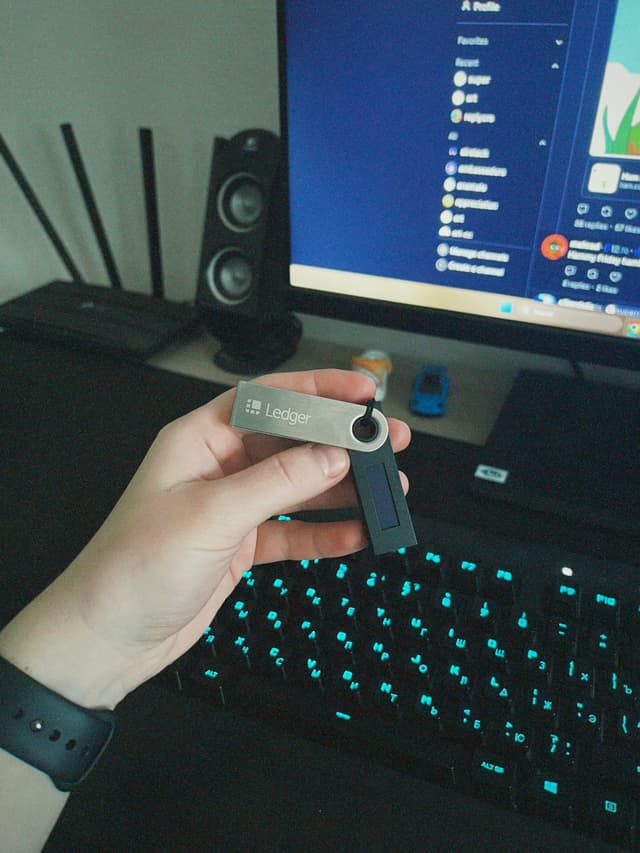
A spending policy is only one part of succession.
A two-of-three multisignature wallet can require two keys before Bitcoin moves. It cannot appoint an executor, interpret a will, identify the applicable succession law, or determine what an heir owes in tax. A technically sound wallet can therefore sit inside an incomplete estate plan.
The practical goal is to make three things agree when the owner can no longer act: the person legally authorized to decide, the people technically able to execute, and the records that explain ownership. A Vanuatu passport can help establish a person’s identity and nationality. It does not replace any of those three elements.
Start with the family and the assets rather than the preferred recovery product. Who depends on the owner? Which assets are personal, jointly held, company-owned, or held through another arrangement? Which countries are involved? The answers determine the work needed from estate counsel, tax professionals, and a competent Bitcoin custody specialist.
Keep citizenship separate from the law governing inheritance.
Nationality can be relevant to a succession analysis, but it is not the only possible connection. Residence, domicile, asset location, family relationships, and the terms of a valid legal instrument can also matter under the applicable rules. The relevant professionals should identify which countries may assert a role and where conflicts need resolution.
A second citizenship does not move a foreign apartment or rewrite a company’s ownership records. Nor does physically storing a signing device in Vanuatu establish the legal location of every asset it can control. Bitcoin creates difficult classification questions precisely because technical access and legal ownership are different concepts.
The assessment should state its assumptions. If it depends on where the owner lives, who is married to whom, or which entity owns the Bitcoin, those facts need to remain accurate. Revisit the plan after a move, marriage, separation, birth, or corporate restructuring. A passport renewal is not a substitute for that review.
Vanuatu’s domestic position is a bounded part of the analysis.
Vanuatu’s official investment-agency description identifies the absence of general death duties within its domestic tax framework. That can be relevant, but it does not answer whether another country taxes an estate, an heir, or a transfer. The absence of one Vanuatu charge should not become a promise of a tax-free worldwide inheritance.
For a Vanuatu International Company, section 118 of the published International Companies Act contains specific local estate, inheritance, succession, and gift-tax exemptions concerning company securities. Those exemptions must be interpreted within their actual scope. It does not establish the foreign tax treatment of the owner’s shares or the company’s underlying Bitcoin.
Identify the taxpayer and the event before comparing rates. Is the issue an estate charge, an heir’s receipt, a later disposal, a company distribution, or an ongoing reporting obligation? Different events may require different valuations and records. A country-level tax headline is too broad to perform that work.
An heir’s identity records are operational assets.
A family member may need to prove a relationship, obtain an appointment, deal with an institution, or travel while an estate is administered. Current passports and preserved citizenship records can make those tasks more manageable. An additional nationality can reduce reliance on one document system where it fits the family’s circumstances.
Vanuatu’s Constitution provides a citizenship rule for a child born to a Vanuatu-citizen parent. The relevant dates and civil records still matter, and passport administration remains separate. For children already born when a parent applies, the applicable inclusion or later application provisions need their own examination. Do not describe every child as automatically documented because the parent has a passport.
Keep a family record showing who holds each nationality, the evidence supporting it, and where originals are stored. Add marriage, birth, adoption, and name-change records where relevant. Avoid a situation in which an heir can find the hardware wallet but cannot demonstrate the relationship or identity needed by the institution involved.
Plan for incapacity as well as death.
Death is one trigger for a continuity plan. Incapacity, prolonged absence, lost devices, and a keyholder’s own illness can create different problems while the owner is alive. A procedure that requires a death certificate will not necessarily help a family facing incapacity. The authority to act should match the event.
Ask counsel which legal instrument enables the intended representative to act in each situation and how that authority will be recognized by the relevant institutions. Ask the custody specialist how access works without weakening the ordinary security model. Neither should assume the other professional has resolved the question.
In a hypothetical family arrangement, the owner, and spouse each hold one key and a professional holds the third. The owner becomes incapacitated while the spouse is abroad. The plan needs more than the arithmetic of two available keys. It needs a lawful decision-maker, a documented trigger, practical access, and a co-signer contract that supports the required action.
Connect the legal inventory to the wallet inventory.
Use neutral identifiers to connect assets across documents. An estate inventory might refer to a personal long-term Bitcoin wallet without exposing its secret material. The separate technical record can identify its policy, relevant public information, backup locations, and the process by which authorized people obtain access.
Multisignature recovery can require more than a collection of seed phrases. Wallet configuration and public-key information help reconstruct the intended spending policy. Preserve the necessary recovery documentation securely and confirm that the chosen tools can use it. Bitcoin Improvement Proposal 129 addresses secure multisignature setup; it is a technical reference, not an estate-law instrument.
Keep spending secrets out of wills and ordinary professional correspondence. Legal documents may be copied, filed, or shared with people who need to understand authority but should not control the asset. Counsel needs a clear inventory and enforceable instructions, not a seed phrase. Separating those functions protects both the asset and the people handling the estate.
Company ownership adds another succession layer.
If a company owns Bitcoin, the estate may concern shares or control rights rather than a direct transfer of the coins. Company management, shareholder succession, and treasury signing authority can therefore need separate steps. A person inheriting shares should not assume that personal possession of an old director’s device authorizes a distribution.
Coordinate the company constitution, shareholder arrangements, director replacement process, and custody policy. Identify who can maintain the company while ownership questions are resolved. Necessary expenses and ordinary obligations may continue during administration. The treasury should not become unusable merely because one founder performed every role.
A useful exercise is to trace one ordinary payment after the founder’s death. Who decides it is due? Who has authority to approve it? Who signs? Which account or wallet pays? Where is the evidence retained? If the answer changes depending on which document is read, the records need reconciliation before an emergency.
Location affects access even when it does not settle situs.
Distributing keys can reduce the chance that a fire, theft, or local disruption destroys every recovery path. It can also create travel, contractual, and practical dependencies. A backup in a safe-deposit box may require access procedures. A professional keyholder may operate under rules in another jurisdiction. Two nominally separate locations may depend on the same person.
Assess correlated failures. Can one disaster affect both locations? Does one unavailable email account control every provider relationship? Does the same family member know where all instructions are kept? Geographic separation is useful only if the recovery path survives the events it is meant to address.
A second passport can make some travel more workable, but it cannot guarantee access to a vault, waive a provider’s requirements, or make every destination available. Do not design an urgent recovery plan around a journey that may need an unissued visa. Where possible, ensure authorized people have workable alternatives.
Preserve the history the heir will need.
An institution may ask how the heir acquired the Bitcoin, even when the heir can already control it. Preserve acquisition records, the ownership history, relevant legal instruments, appointment or probate evidence, and the transaction documenting any authorized transfer. The funding records prepared for another purpose can help, but they do not replace proof of succession.
Valuation deserves a defined process. Record the time convention, currency, price source, and reason for the valuation. The figure may be needed for estate accounts, allocation among beneficiaries, tax basis, or later reporting. A domestic exemption does not make valuation irrelevant to every other purpose.
A hypothetical will divides an estate equally between two heirs, but one receives Bitcoin and the other receives cash. A large price movement during administration can expose ambiguity about what equality meant and when it was measured. Counsel should address the allocation method. The wallet software cannot interpret an unclear distribution instruction.
Test the procedure without exposing the treasury.
A recovery exercise should answer practical questions while keeping risk proportionate. Can the designated people locate the instructions? Can they identify the correct wallet and legal representative? Can a professional provider explain the evidence it needs? Can the technical process be demonstrated using a limited test environment or a small amount?
Do not move the whole treasury to prove that a plan works. Agree the test, the participants, and the safeguards with the people responsible for the arrangement. Record what was learned and update the instructions. A successful technical test should be paired with a discussion of legal authority, rather than being mistaken for a complete estate review.
Repeat the relevant parts when the facts change: a signer leaves, a device is replaced, a provider changes terms, or the family’s legal circumstances alter. Set a review interval that the household can maintain. A complicated design that nobody can operate confidently may be less resilient than a simpler, well-documented arrangement.
Give each professional a defined responsibility.
Estate counsel designs the legal succession arrangements. The relevant tax professionals assess the jurisdictions and transactions. A Bitcoin specialist reviews recovery and signing mechanics. Citizenship advisors can help organize nationality and passport questions within their scope. Bitcoin Lawyer is not the estate lawyer, and coordination should not be described as legal representation.
Bring those responsibilities together around one asset map. The most expensive gaps often arise between individually reasonable pieces of advice: the lawyer assumes access exists, the technical specialist assumes authority exists, and the family assumes a child’s status has already been documented. A coordinated review makes those assumptions visible while they can still be corrected.
Make the instructions usable for the intended people.
The family member who will act may not share the owner’s technical vocabulary. Write instructions that identify roles, documents, and the next contact in language that person can use. Keep sensitive details in the appropriate separate storage, but do not make the existence of the plan a secret from everybody who must execute it.
Ask the intended representative to explain the first steps back during the exercise. Confusion at that stage is useful evidence about the plan, not a failure by the person. Revise the instructions until the responsibilities are understandable without the owner supplying missing context.
The whole picture
The Bitcoin Lawyer take
Ask counsel to identify who may act during incapacity and who takes authority after death. Compare those appointments with the wallet and company records while the people who know the arrangements can still correct them.
Start with the failure that would be hardest to repair after the owner is gone. It may be a missing key, but it may equally be missing authority or a missing record. Resolve it while the person who knows the history can still explain it.